


The Global Navigation Satellite System (GNSS) has revolutionized how we navigate the world. From the early days of radio-based positioning systems to the sophisticated constellation of satellites that guide our devices today, the evolution of GNSS system has been integral to modern navigation. This article explores the history of GNSS, its impact on navigation, and how satellite technology has shaped the way we move through our daily lives.
What is GNSS?
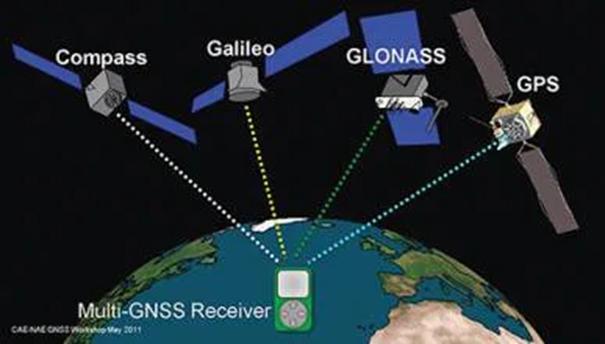
Before diving into the evolution of GNSS, it’s essential to understand what GNSS actually is. GNSS is a general term that refers to a system of satellites and ground stations that provides geospatial data to receivers, enabling location and timing information anywhere on Earth. GNSS encompasses multiple satellite constellations, including the American GPS, the Russian GLONASS, the European Galileo, and the Chinese BeiDou, each providing critical services for various applications, from navigation to precise timing.
Early Navigation Systems: From LORAN to GPS
The Pre-GNSS Era: Radio-Based Systems
Long before GNSS technology was developed, navigation systems relied on terrestrial radio signals. One of the most notable systems was the LORAN (Long Range Navigation) system, introduced in the 1940s. LORAN used ground-based radio transmitters to determine position based on the time it took for radio waves to travel from the transmitter to the receiver. While effective for maritime navigation, LORAN had limitations in terms of accuracy, range, and vulnerability to interference.
The next major breakthrough came with the development of the Global Positioning System (GPS), which was first launched in the 1970s by the United States Department of Defense. Initially intended for military use, GPS became fully operational in 1995, providing users with accurate location and timing data anywhere on Earth.
The Birth of GPS: A Revolutionary Leap
The launch of GPS marked a watershed moment in navigation technology. GPS worked by using a constellation of satellites (24 initially, later expanded to 31) orbiting the Earth, each continuously transmitting its position and time. By triangulating signals from at least four satellites, GPS receivers could pinpoint their location with unprecedented accuracy. This leap in satellite technology was the catalyst for the evolution of GNSS, as other countries began developing their own satellite navigation systems.
The Global Expansion of GNSS
GLONASS: Russia’s Response to GPS
In the 1980s, Russia (then the Soviet Union) developed GLONASS as its response to the American GPS system. GLONASS provided similar functionality, enabling users to determine their position and velocity through satellite signals. The system faced several challenges, including a lack of funding and technical difficulties, but was eventually completed in the early 2000s. GLONASS, now fully operational, is a key player in the global GNSS landscape, providing alternative satellite signals that enhance reliability and accuracy.
Galileo: Europe’s Satellite Navigation System
The European Union’s Galileo program represents another milestone in the evolution of GNSS. Officially launched in 2005, Galileo was designed to provide an independent navigation system for Europe. With greater accuracy and reliability than previous systems, Galileo is already integrated into various applications, from aviation to disaster response. By 2020, the system was fully operational, with 26 satellites in orbit and more planned in the future.
BeiDou: China’s Growing Influence in GNSS
China’s BeiDou system is a more recent entrant to the GNSS race. Developed in phases, BeiDou’s full constellation was achieved by 2020, and its signals are now used in a wide range of applications, from military navigation to commercial use. China’s ambitions in space technology and satellite navigation are reflected in BeiDou’s increasing global reach, enhancing the overall accuracy and robustness of GNSS.
Satellite Technology and Its Impact on Modern Navigation
Improved Accuracy and Precision
One of the most significant developments in the evolution of GNSS has been the improvement in accuracy. Early GPS systems were capable of providing location data with an accuracy of around 100 meters, while modern systems can pinpoint a location within centimeters. This leap in precision has been made possible through advancements in satellite technology, including better clock synchronization, signal processing, and the use of multi-frequency signals.
For instance, the integration of dual-frequency signals from multiple constellations (such as GPS and Galileo) allows for more accurate positioning, even in challenging environments like urban canyons or dense forests. Additionally, new algorithms and ground-based augmentations have further enhanced accuracy, opening the door for applications like autonomous vehicles and precision farming.
The Role of GNSS in Everyday Life
From turn-by-turn directions on smartphones to the precise timing required for financial transactions, GNSS has become an essential part of modern life. Satellite navigation systems enable people to travel efficiently, whether by car, airplane, or boat. GNSS also supports a wide array of industries, from aviation and shipping to agriculture and construction. Applications like Geographic Information Systems (GIS), disaster management, and the Internet of Things (IoT) have all benefited from the evolution of GNSS, leading to smarter cities, more efficient supply chains, and even more accurate weather forecasting.
The Future of GNSS: What’s Next?
As the world becomes more dependent on satellite navigation, the future of GNSS is filled with possibilities. With emerging technologies like 5G, autonomous vehicles, and smart cities, the role of satellite-based navigation systems will continue to expand. The combination of multiple GNSS constellations, augmented by ground stations and advanced algorithms, will drive even greater accuracy and reliability.
Moreover, the continued development of new satellite constellations and the improvement of existing ones will ensure that GNSS remains a critical tool in our increasingly connected and mobile world.
The Growing Importance of Security and Resilience
As GNSS technology evolves, the need for secure and resilient systems will become even more pressing. The growing reliance on GNSS in critical infrastructure, such as power grids, transportation networks, and financial markets, means that any disruption to satellite signals could have severe consequences. As a result, efforts to enhance the security of GNSS signals and develop alternative positioning methods are already underway.
Conclusion
The evolution of GNSS has reshaped the way we navigate the world, making satellite technology an indispensable part of modern life. From the early days of GPS to the global network of constellations we rely on today, GNSS has not only transformed navigation but has become essential to a host of industries. As satellite technology continues to advance, we can expect even more breakthroughs that will enhance the accuracy, security, and accessibility of satellite navigation systems.