


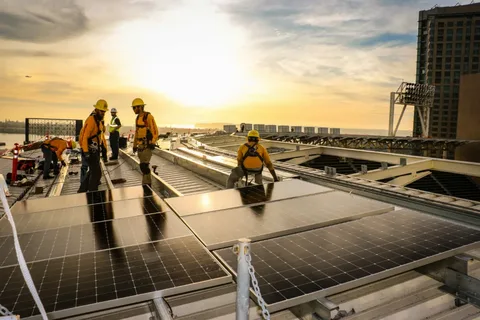
The renewable energy sector is evolving rapidly, and commercial solar systems are at the forefront of this transformation. As businesses increasingly seek sustainable energy solutions, new technologies and innovative approaches are redefining how solar power is harnessed and implemented. Understanding the trends shaping the next generation of commercial solar systems is crucial for companies aiming to optimize efficiency, reduce costs, and achieve sustainability goals.
1. Advanced Photovoltaic Technologies
One of the most significant trends shaping the next generation of commercial solar systems is the development of advanced photovoltaic (PV) technologies. Solar panels are becoming more efficient, durable, and adaptable to diverse commercial applications. Innovations such as bifacial panels, which capture sunlight from both sides, and thin-film solar cells are increasing energy yield while minimizing space requirements. These improvements allow businesses to generate more power from smaller installations, making solar an even more viable option for commercial rooftops and open land.
2. Integration with Energy Storage
Energy storage solutions are revolutionizing commercial solar systems. By pairing solar installations with batteries, businesses can store excess energy generated during the day for use at night or during peak demand periods. This integration enhances energy reliability and reduces dependency on the grid. Companies investing in energy storage are better equipped to manage energy costs and maintain consistent operations, marking a pivotal trend in the next generation of commercial solar systems.
3. Smart Monitoring and Automation
The incorporation of smart monitoring and automation technologies is another key trend shaping the next generation of commercial solar systems. Advanced sensors, AI-driven analytics, and real-time monitoring platforms allow businesses to track energy production, detect inefficiencies, and optimize performance. Automation also enables predictive maintenance, reducing downtime and operational costs. This level of insight and control is increasingly expected by organizations looking to maximize the return on their solar investments.
4. Sustainable and Modular Design
Sustainability is not only about energy production but also about the materials and design of solar systems. The trend toward modular and eco-friendly solar solutions is gaining momentum. Modular systems allow for scalable installations that can grow with the energy needs of a business. Additionally, manufacturers are using recyclable materials and environmentally conscious production methods, aligning commercial solar systems with broader corporate sustainability objectives.
Conclusion
The future of solar energy in the commercial sector is bright, driven by technological advancements and sustainability initiatives. Companies that embrace these trends shaping the next generation of commercial solar systems will benefit from improved efficiency, reduced costs, and a stronger environmental footprint. As innovations continue to emerge, staying informed and proactive in adopting these solutions will be essential for businesses looking to remain competitive and eco-conscious in an increasingly energy-aware world.