


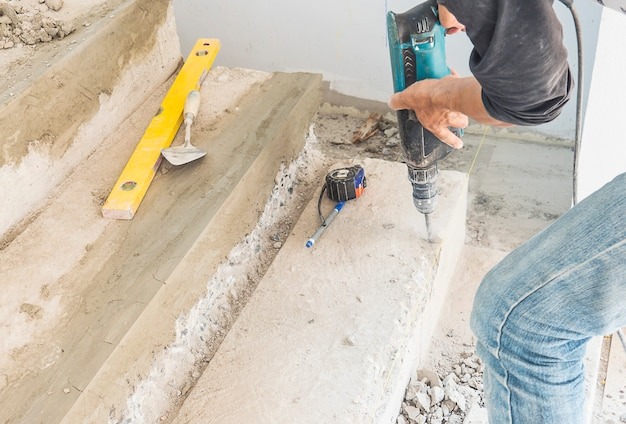
When it comes to masonry step repair, selecting the appropriate materials is crucial for ensuring durability, aesthetics, and safety. The right materials not only enhance the appearance of your steps but also extend their lifespan and functionality. In this blog, we will explore the various materials available for masonry step repair and how to choose the best options for your specific needs.
Understanding Masonry Materials
Masonry step repair primarily involves the use of bricks, stones, or concrete. Each of these materials has its unique properties and benefits. For instance, bricks are known for their classic aesthetic and strength, making them a popular choice for steps. Natural stone, like granite or limestone, offers a rustic beauty but can be more expensive.
On the other hand, poured concrete is versatile, easy to mold, and cost-effective. Understanding these materials’ characteristics will help you make informed decisions during your masonry step repair project.
Evaluating Durability
Durability is a key factor in any masonry step repair. The materials you choose need to withstand varied weather conditions, foot traffic, and potential wear and tear. For example, if you live in an area with extreme temperatures or heavy rainfall, opting for a more resilient material like concrete or stone is wise.
Concrete, especially when reinforced, can provide excellent longevity and stability. Always consider the environmental factors that could affect your masonry steps to ensure long-lasting results.
Aesthetic Considerations
While functionality is essential in masonry step repair, aesthetics also play a significant role. The appearance of your steps can dramatically influence your home’s curb appeal. Choose materials that complement the existing architecture of your home and surrounding landscape.
For example, if your home features a modern design, sleek concrete steps with clean lines may be the best choice. Conversely, a traditional home may benefit from the warmth of brick or natural stone. Balancing beauty with practicality is crucial for achieving the desired look.
- Cost Factors
Cost is an inevitable consideration when selecting materials for masonry step repair. Different materials come with varying price points that can significantly impact your overall budget. While bricks may be more visually appealing, they can also be more expensive compared to concrete. However, it’s essential to view this as a long-term investment.
Although concrete may initially seem like the cheaper option, consider the potential costs of maintenance and repairs down the line. Assess all potential options carefully to find the best balance between quality and budget.
Compatibility with Existing Structures
Another vital aspect to consider during masonry step repair is the compatibility of the new materials with existing structures. Ensure that the materials you choose will integrate well with the current steps and any surrounding elements. If you’re repairing existing brick steps, using the same type of bricks is advisable to maintain uniformity.
If you are adding to a concrete base, ensure that the new materials can bond effectively with the existing surfaces. Consider consulting a professional to assess compatibility and provide insights into the best materials.
Conclusion
In conclusion, choosing the right materials for masonry step repair involves careful consideration of durability, aesthetics, cost, and compatibility. Understanding the various masonry materials available and their properties will empower homeowners to make informed decisions that meet their functional and visual needs.
By investing the time to choose the best materials, you can ensure that your masonry steps not only look appealing but also stand the test of time, providing safety and beauty for years to come.
