


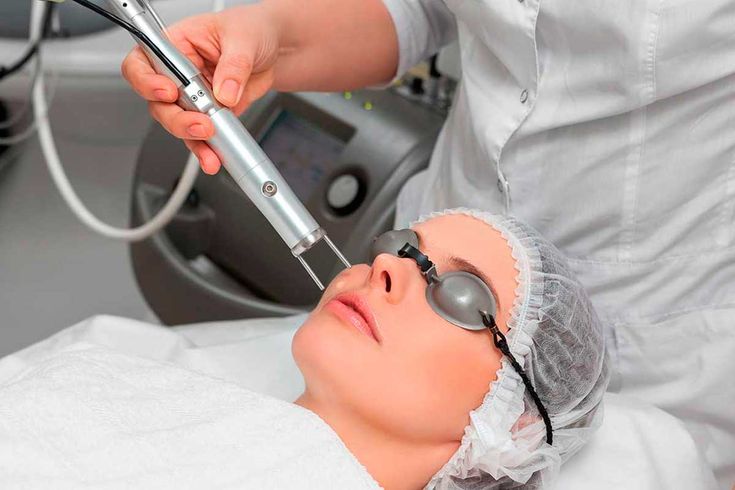
CO2 laser resurfacing is one of the most effective treatments for improving skin texture, reducing wrinkles, minimizing scars, and reversing signs of sun damage. While the results can be dramatic, the recovery process plays a critical role in achieving the best possible outcome. Understanding what to expect during healing and following proper aftercare instructions can help ensure a smoother recovery and long-lasting results.
Whether you’re undergoing a CO2 Laser Resurfacing in The Woodlands or a more intensive resurfacing procedure, knowing how to care for your skin after treatment is essential.
Why Recovery Matters After CO2 Laser Treatment
CO2 lasers work by creating controlled microscopic injuries in the skin. This process removes damaged skin cells and stimulates the production of new collagen, encouraging healthier and smoother skin to develop.
Because the treatment intentionally triggers the body’s healing response, recovery is a normal and necessary part of the process. Proper aftercare supports healing, minimizes complications, and helps optimize your final results.
What Happens Immediately After Treatment?
Following a CO2 laser procedure, your skin will begin its natural repair process. It is common to experience:
- Redness
- Swelling
- Warmth
- Tightness
- Mild discomfort
- Sensitivity
Many patients describe the sensation as similar to a moderate to severe sunburn.
The intensity of these effects depends on:
- Treatment depth
- Size of the treated area
- Skin type
- Individual healing response
Your provider may apply soothing ointments or dressings immediately after the procedure.
The Typical Healing Timeline
Days 1–3: Initial Recovery
The first few days are often the most noticeable phase of recovery.
During this period:
- Redness and swelling are most prominent.
- Skin may feel hot and tight.
- Minor oozing or crusting may occur.
- The treated area requires gentle care.
Cold compresses and prescribed skincare products may help reduce discomfort.
Days 4–7: Peeling and Skin Renewal
As healing progresses:
- Damaged skin begins to peel.
- Flaking becomes more noticeable.
- New skin starts emerging underneath.
It is important not to pick, scratch, or force peeling skin to come off, as doing so can interfere with healing and increase the risk of scarring.
Weeks 2–4: Visible Improvement
During this stage:
- Most peeling has resolved.
- Swelling continues to decrease.
- Skin texture becomes smoother.
- Redness gradually fades.
Many patients begin noticing significant improvements in skin appearance during this period.
Months 1–6: Ongoing Collagen Remodeling
Although the skin surface may appear healed within weeks, deeper healing continues for several months.
During this time:
- Collagen production increases.
- Skin firmness improves.
- Scars and wrinkles continue to soften.
- Overall skin quality gradually enhances.
This ongoing remodeling process contributes to the long-term benefits of CO2 laser resurfacing.
Essential Aftercare Tips
Keep the Skin Moisturized
Hydration is one of the most important aspects of recovery.
Your provider may recommend:
- Healing ointments
- Moisturizing creams
- Barrier-repair products
Keeping the skin moisturized helps reduce discomfort and supports proper healing.
Cleanse Gently
Use only approved cleansers during recovery.
Avoid:
- Harsh scrubs
- Exfoliating products
- Strong acids
- Retinoids unless instructed otherwise
Gentle cleansing helps prevent irritation while maintaining skin hygiene.
Protect Your Skin from the Sun
Freshly treated skin is extremely vulnerable to ultraviolet damage.
Sun protection should include:
- Broad-spectrum sunscreen
- Wide-brimmed hats
- Seeking shade
- Avoiding prolonged sun exposure
What Activities Should You Avoid?
During the recovery period, certain activities may interfere with healing.
Avoid Intense Exercise
Heavy workouts can increase:
- Sweating
- Inflammation
- Skin irritation
Your provider will advise when it is safe to resume exercise.
Avoid Swimming Pools and Hot Tubs
Pools and hot tubs may expose healing skin to:
- Chemicals
- Bacteria
- Excess moisture
These factors can increase the risk of irritation or infection.
Avoid Picking or Scrubbing
As tempting as it may be, never remove peeling skin manually.
Allow the healing process to occur naturally for the best cosmetic outcome.
Managing Redness and Sensitivity
Some redness can persist for several weeks after treatment, particularly following deeper resurfacing procedures.
To minimize irritation:
- Use gentle skincare products.
- Avoid excessive heat exposure.
- Follow all provider instructions.
- Stay hydrated.
Most redness gradually improves as the skin continues to recover.
Signs You Should Contact Your Provider
While mild discomfort and redness are expected, certain symptoms warrant professional evaluation.
Contact your provider if you experience:
- Severe pain
- Increasing redness
- Excessive swelling
- Signs of infection
- Fever
- Unusual discharge
- Delayed healing
Prompt attention can help address potential complications early.
Supporting Long-Term Results
Once recovery is complete, maintaining healthy skin habits can help preserve your results.
Recommended practices include:
- Daily sunscreen use
- Consistent skincare routines
- Regular hydration
- Avoiding smoking
- Healthy nutrition
- Follow-up treatments when appropriate
These habits support collagen health and protect your investment in skin rejuvenation.
Conclusion
Recovery after a CO2 laser procedure is a gradual process that extends beyond the initial healing period. While redness, swelling, and peeling are normal parts of the journey, proper aftercare can significantly influence both comfort and results. By following your provider’s instructions, protecting your skin from the sun, maintaining hydration, and allowing the healing process to unfold naturally, you can maximize the benefits of treatment.
With patience and diligent care, CO2 laser resurfacing can reveal smoother, healthier, and more youthful-looking skin that continues to improve for months after the procedure.