


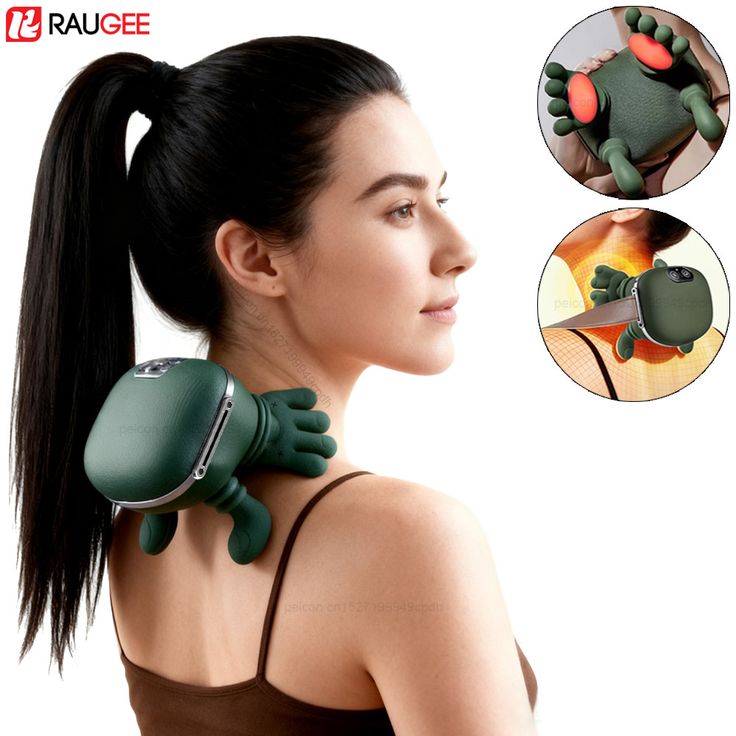
Chronic neck and shoulder tightness is one of the most common modern discomfort patterns, especially for people who spend long hours sitting, working on screens, or dealing with ongoing stress. Unlike temporary soreness, chronic tightness builds gradually and often forms persistent “knots” in the muscles that feel resistant to normal stretching or movement Neck and Shoulder Massager.
These knots are not just surface-level stiffness. They are localized areas of contracted muscle fibers that restrict blood flow and limit mobility. The good news is that targeted, consistent pressure combined with proper recovery techniques can significantly reduce their intensity over time.
This blueprint breaks down how chronic knots form, why they persist, and how targeted relief methods—including modern massage tools—can help release them effectively.
What Muscle Knots Actually Are
Muscle knots, often referred to as trigger points, are small, tight bands of muscle fibers that fail to fully relax. They can form in response to overuse, poor posture, or prolonged stress.
Why They Form
Knots typically develop due to:
- Prolonged static posture
- Repetitive strain on the same muscle group
- Emotional stress causing muscle guarding
- Reduced blood circulation in tight areas
When muscles stay contracted for too long, they lose flexibility and begin to form these dense, sensitive spots.
How They Feel
Common sensations include:
- Localized tightness or hard spots
- Pain when pressure is applied
- Radiating discomfort into nearby areas
- Reduced range of motion
Why Neck and Shoulders Are Most Affected
The neck and shoulders carry a disproportionate amount of daily strain.
Constant Postural Load
The head is heavy relative to the neck muscles. Even slight forward head posture increases strain on the trapezius and cervical muscles.
Emotional Tension Storage
The shoulders often act as a physical outlet for stress, leading to unconscious tightening throughout the day.
Limited Movement Patterns
Modern routines involve long periods of sitting, which reduces natural muscle engagement and circulation.
The Core Principle of Knot Release
Releasing muscle knots is not about force alone. It requires a combination of pressure, heat, circulation, and repetition.
Effective relief works through:
- Sustained pressure to loosen tight fibers
- Increased blood flow to restore tissue health
- Repeated cycles of release and relaxation
Step 1: Targeted Pressure Application
Direct pressure is one of the most effective ways to begin loosening knots.
How It Works
Applying consistent pressure helps:
- Break up tight muscle fibers
- Stimulate local blood flow
- Reduce sensitivity over time
Modern massagers replicate this using kneading nodes that mimic human thumbs applying rhythmic pressure.
Step 2: Heat Activation for Muscle Softening
Heat plays a critical role in preparing tight muscles for release.
Why Heat Helps
- Increases circulation in the affected area
- Softens rigid muscle tissue
- Reduces resistance to pressure
Warm muscles respond more effectively to massage and are less likely to tighten further during treatment.
Step 3: Rhythmic Kneading to Disrupt Tension Patterns
Static pressure alone is not enough for chronic knots. Movement is required.
Kneading Action Benefits
- Alternating pressure prevents muscle adaptation
- Encourages deeper tissue engagement
- Mimics natural hand movement during therapy
This combination helps gradually “retrain” the muscle to relax.
Step 4: Controlled Intensity Progression
One of the most common mistakes in knot relief is using excessive force too early.
Smart Progression Approach
- Start with low intensity to warm the tissue
- Move to medium intensity once muscles soften
- Use higher intensity only for stubborn knots
This prevents muscle guarding, where the body tightens in response to too much pressure.
Step 5: Repetition Over Time
Chronic knots do not disappear in a single session. Consistency is essential.
Why Repetition Works
- Gradual breakdown of long-term tension patterns
- Improved circulation over repeated sessions
- Reduced sensitivity in affected areas
Short daily sessions are more effective than occasional intense treatments.
How Modern Massagers Support Knot Release
Advanced massage devices are specifically designed to target these deep tension points.
1. 3D and 4D Kneading Systems
These systems adjust depth, direction, and rhythm to better mimic human massage techniques.
2. Ergonomic Fit
Devices shaped to match the neck and shoulders ensure that pressure is applied directly where knots form.
3. Heat Integration
Built-in heat enhances tissue responsiveness and speeds up relaxation.
4. Adjustable Intensity
Allows gradual escalation based on muscle condition.
Common Mistakes That Slow Down Relief
Even with the right tools, certain habits can reduce effectiveness.
Overusing High Intensity
Too much pressure can cause muscles to tighten instead of relax.
Ignoring Posture
Without correcting daily posture habits, knots often return quickly.
Inconsistent Use
Irregular sessions do not allow muscle patterns to change over time.
Focusing Only on Pain Spots
Knots are often connected to surrounding muscle groups, not isolated points.
Supporting Long-Term Relief
Knot release works best when combined with supportive habits.
Movement Breaks
Regular stretching and standing breaks help prevent stiffness buildup.
Ergonomic Adjustments
Proper desk and screen setup reduces ongoing strain.
Hydration and Recovery
Healthy circulation and hydration support muscle repair.
Stress Management
Reducing mental tension can significantly decrease shoulder tightening.
When Professional Help May Be Needed
While home-based relief is effective for many cases, persistent or severe pain may require professional evaluation.
Seek guidance if:
- Pain worsens over time
- Movement becomes significantly limited
- Knots do not respond to regular care
Final Thoughts
The knot-release process is not about quick fixes—it is about gradually restoring normal muscle function through consistent, targeted care. By combining pressure, heat, kneading motion, and proper intensity control, modern tools make it easier to manage chronic tightness at home.
When supported by good posture and daily movement habits, this approach can significantly reduce the frequency and intensity of neck and shoulder knots, leading to better comfort, mobility, and overall well-being over time.